How Long Does It Take to Become a Good Forex Trader?
Kojo Forex
Author
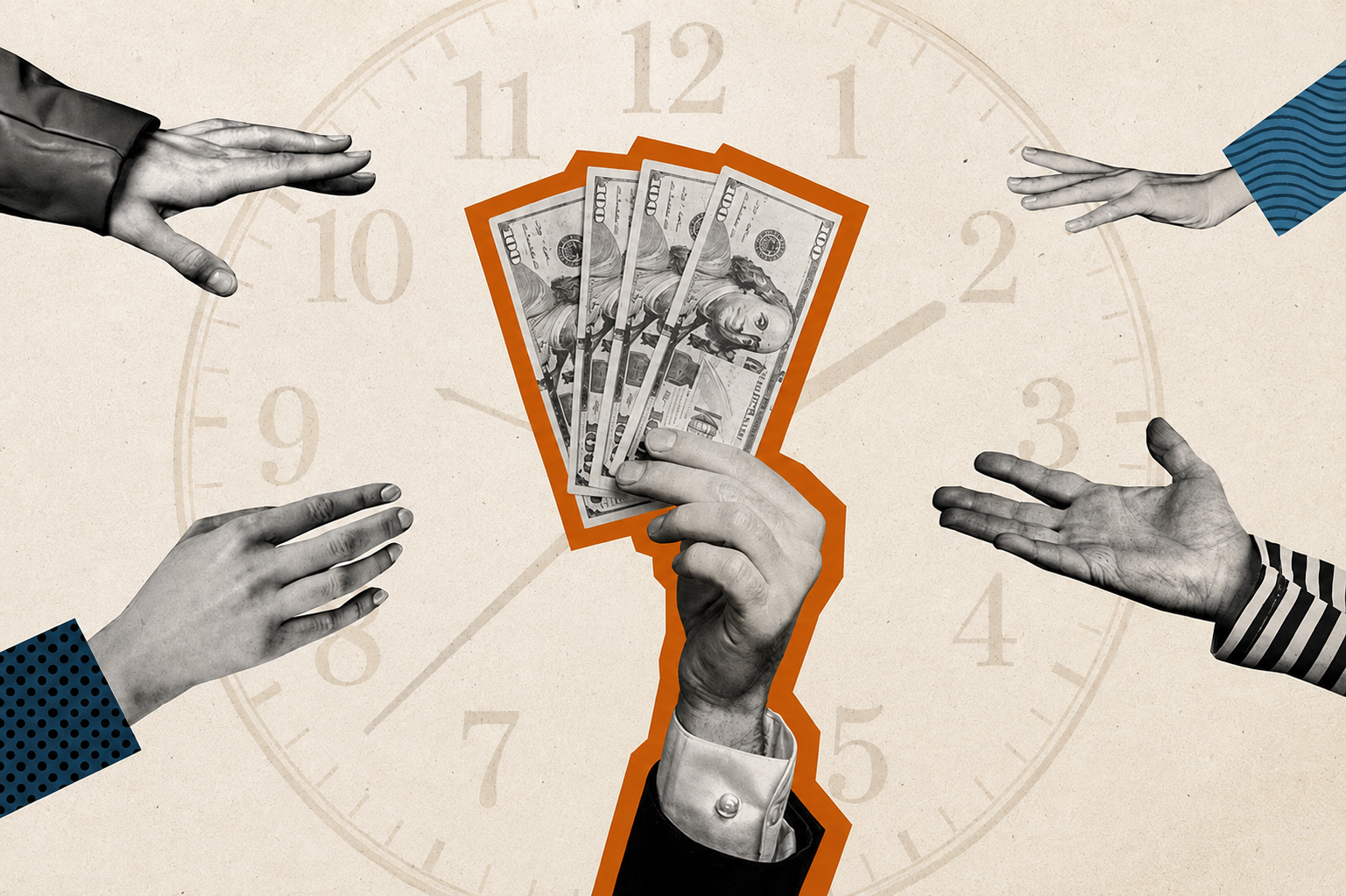
Most people ask this question because they want a number. Three months? Six months? One year? Maybe two?
They want someone to tell them exactly how long they need to wait before forex finally starts making sense.
But the truth is, I can't give you a fixed duration. No honest trader can guarantee that you'll become good within a specific number of months or years.
What I can give you is something far more useful, a clearer path that can help you progress faster, provided you approach it with seriousness, discipline, and a willingness to do the work.
That means having a structured learning process, practical guidance, proper risk management, mentorship, and the right environment to support your development. Through the Exness Exclusive Package, traders can access a more organised trading environment designed to help them learn, practise, and improve with greater direction instead of trying to figure everything out alone.
However, no package, broker, strategy, or mentor can replace your own discipline. These resources can support your development, but your consistency, patience, and commitment will determine how much you actually gain from them.
After spending years around traders, I've realised something.
Becoming a good trader isn't really about how much time passes. It's about what you do with the time you have.
Two people can start trading on the same day, use the same broker, watch the same charts, and even learn the same strategy. One can make incredible progress within a year, while the other can still be making the exact same mistakes three years later.
So instead of asking, "How long does it take to become a good trader?", perhaps the better question is:
"What am I actually doing during that time?"
The First Few Months Can Be Misleading
When you first discover forex, everything feels exciting. You learn what candlesticks are, discover support and resistance, study trends, liquidity, indicators, entries, stop losses, and suddenly you start seeing trading opportunities everywhere.
Then you take your first trade.
Maybe it wins.
Then another one wins.
For a moment, you start thinking, "This might actually be easy."
Then the market humbles you.
A few losses appear. The strategy that looked perfect suddenly doesn't seem so perfect anymore. You start searching for another strategy, then another, and before long you're watching videos late at night, downloading indicators, joining different Telegram groups, and trying to understand ten different approaches at once.
This is where many beginners lose valuable time.
Not because they're lazy.
Because they're constantly restarting.
Every time you abandon one approach and begin another, you reset part of your learning process. Instead of gaining deeper experience with one method, you remain stuck at the surface of many different strategies.
You Don't Need More Strategies. You Need More Repetition.
Imagine learning how to play football. You wouldn't completely change your playing style every time you missed a shot. You would practise, make mistakes, review what happened, and try again.
Trading is no different.
A strategy doesn't become yours simply because you understand it intellectually. It becomes yours after you've seen it repeatedly. You begin recognising the conditions where it works, understanding when to stay away, and learning how it behaves in different market environments.
Most importantly, you begin understanding yourself while using it.
That's where real progress starts.
The more you repeat a process correctly, the more familiar it becomes. Eventually, you're not taking trades because something looks exciting on a chart. You're taking them because you've seen the conditions before and understand what you're looking for.
That kind of confidence doesn't come from watching another ten trading videos.
It comes from experience.
The First Sign That You're Becoming a Good Trader
It probably isn't a massive winning month.
It might actually be something much less exciting.
You stop taking trades that aren't part of your plan. You stop increasing your lot size because you're angry. You stop chasing a move after you've missed the entry. You stop revenge trading after a loss.
You also stop feeling like you have to trade every day.
You begin accepting that sometimes the best trade is no trade at all.
That's progress.
Because becoming a good trader isn't simply about learning how to make money. It's also about learning how not to lose money unnecessarily.
You begin to realise that protecting your account is just as important as finding your next entry.
And that understanding takes experience.
Then Comes the Difficult Part
At some point, you may know enough to understand the market but still struggle to control yourself.
This is where trading psychology becomes important.
You know you shouldn't move your stop loss, but you move it anyway.
You know you shouldn't risk too much, but you increase your position size.
You know you shouldn't enter because of FOMO, but you enter because you don't want to watch the market move without you.
This stage can be incredibly frustrating because you realise the problem isn't always your knowledge anymore.
It's your behaviour.
And behaviour is much harder to change than knowledge.
You can't simply watch another YouTube video and fix it. You have to experience the consequences of your decisions, review your trades honestly, identify your patterns, and deliberately work on changing them.
That process can take months or even years.
And that's okay.
There Is No Perfect Timeline
Some traders become competent relatively quickly. Others need much longer.
Some have plenty of time to study and practise. Others are balancing trading with university, work, business, or family responsibilities.
Some have experienced mentors guiding them. Others spend years trying to figure everything out alone.
That's why you shouldn't compare your timeline with somebody else's.
The trader you see making consistent profits today may have spent years getting to that point.
You're seeing the result.
You're not seeing the thousands of decisions, mistakes, losses, lessons, and hours of practice that created it.
Don't compare your beginning to someone else's middle.
What If You Focused on Becoming Better Every 90 Days?
Instead of waiting for some magical day when you suddenly become a "good trader", give yourself smaller targets.
For the next 90 days, focus on understanding one strategy properly. Then spend another 90 days improving your execution. After that, focus on your psychology, risk management, journaling, or whichever part of your trading needs the most attention.
Suddenly, you're no longer waiting for success to happen.
You're actively building it.
And after enough time, you look back and realise you're not the same trader you were six months or one year ago.
That's how progress usually happens.
Quietly.
Then suddenly.
You Don't Have to Learn Everything Alone
One of the biggest advantages a beginner can have is learning in the right environment.
You can spend hundreds of hours searching for information online, but eventually you need structure. I didn't have that when I started. You need someone to explain what you're seeing. You need feedback when you're making mistakes. You need an environment where you can ask questions and learn from people who have already travelled part of the journey.
That's one of the reasons I built KojoForex Academy.
Through the KojoForex Academy, traders can learn through structured Beginner and Advanced Class Sessions, with practical lessons, market analysis, and guidance designed to help them progress instead of constantly jumping between random information online.
If you're just starting your journey, I also recommend beginning with the Free Beginner Forex Course and building your knowledge from the ground up before rushing into the market.
The objective isn't to make you feel like you need to become profitable immediately.
It's to give you a foundation you can actually build on.
The Exness Exclusive Package is also available for traders who want additional support and resources while developing their skills. It is designed to complement your learning process and provide a more structured environment for practising and improving.
Once you're profitable, fast withdrawals of profit is very important that why i always recommend Exness. Click here and create and account right away.
But remember, access to a package does not guarantee profits. Your results will still depend on your knowledge, discipline, risk management, and ability to follow a plan consistently.
What About Learn & Earn VIP?
There is another way to deepen your understanding of the market.
Imagine instead of simply seeing someone post "BUY GOLD", you could actually understand what happened before the trade was taken, what the trader was watching, why the setup made sense, and what happened afterwards.
That's the idea behind KojoForex Learn & Earn VIP.
You don't just receive VIP trades. You get the explanation behind the setup. You get to see the before and after, and most times you'll also receive notifications ahead of a trade being dropped so you can understand what is developing.
Every week, we also review the previous week's trades together. We break down the wins, the losses, the decisions, and the lessons that came from them.
Because I don't want you to simply copy a trade.
I want you to understand the trade.
That's why I call it Learn & Earn.
You're learning from real market opportunities while developing your own understanding and decision making.
For the launch, the original monthly price of $199 has been reduced to ONLY $100 this week.
If you'd like to join, send "subscribe" to @assistantkojobot.
So, How Long Does It Really Take?
The honest answer is simple.
It takes as long as it takes you to become consistent.
For one person, that might happen relatively quickly. For another, it might take several years.
There is no prize for getting there fastest.
What matters is getting there properly.
I can't promise you a specific timeline, but I can point you towards a more structured path that may help you progress faster if you treat it with seriousness, discipline, and consistency.
Don't rush your development because someone online makes trading look easy.
Don't risk money you can't afford to lose because you want to accelerate the process.
And don't keep changing strategies simply because your current one hasn't produced instant results.
Give yourself time to learn.
Give yourself time to make mistakes.
Give yourself time to understand what you're doing.
And most importantly, give yourself time to become disciplined.
One Day, You'll Notice Something Has Changed
You probably won't wake up one morning and suddenly become a great trader.
It will happen gradually.
You'll notice that you don't panic when a trade goes against you. You'll notice that you can walk away from the charts when there is no setup. You'll notice that a losing day doesn't ruin your entire week.
You'll realise that you're no longer desperate to make money from every move.
You'll start trusting your process.
And eventually, you'll look back at the trader you used to be and realise just how far you've come.
That's the real answer.
Becoming a good forex trader isn't about finding a shortcut.
It's about staying in the game long enough to develop the skill, while making sure you're actually learning from the time you spend in the market.
Learn patiently. Trade responsibly. Keep improving.
You don't need to become a great trader tomorrow.
You just need to become a better trader than you were yesterday.